2017
The End of an Era
After Hewes's death, much of the collection remained outside public view. Decades of accumulated research survived, but its long-term future was uncertain.
The Archive at a Glance
The collection grew through the daily work of investigation, correspondence, research, reporting, and preservation rather than being assembled later as a historical collection.
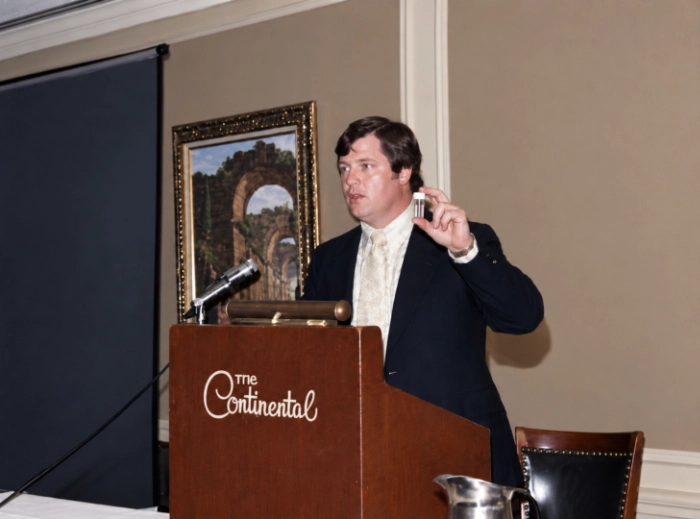
The Man Behind the Collection
Hayden C. Hewes began pursuing UFO reports in Oklahoma City in 1957, when modern civilian investigation of the subject was still taking shape.
What began as an individual interest developed into an organized network of investigators, advisers, correspondents, witnesses, and researchers.
Hewes's approach was remarkably direct. When he wanted information, he asked for it. Government agencies, political leaders, military officials, scientists, astronauts, diplomats, researchers, and witnesses all became part of an expanding correspondence record.
About Hayden HewesThe Historical Record
The collection reflects the daily work of an investigator and an organization active across several eras of UFO history. Reports, letters, photographs, notes, newsletters, clippings, recordings, research files, publications, and organizational records accumulated through the work itself.
Individually, a document may preserve one observation, conversation, question, or lead. Together, the records reveal connections between cases, personalities, institutions, controversies, and changing ideas about the phenomenon.
A New Chapter
The modern history of the archive includes loss of public visibility, recovery, and the continuing work of making the surviving record useful again.
2017
After Hewes's death, much of the collection remained outside public view. Decades of accumulated research survived, but its long-term future was uncertain.
2023
Mindy Tautfest recovered the Hayden C. Hewes Archive, beginning the next stage in its preservation and helping ensure the surviving material would not disappear with the investigator who created it.
Today
The archive is now a cornerstone of the re-established International UFO Bureau, alongside continuing reporting, research, public outreach, and investigation.
Visit the International UFO BureauDigital Preservation
Many historical records were never created for the digital age. Typewritten pages fade. Newspaper clippings deteriorate. Handwriting varies. Photographs, stamps, marginal notes, and annotations complicate automated transcription.
Digitization preserves the source while text recognition, indexing, and human review make its contents increasingly searchable.
Searchable text remains a research aid rather than a replacement for the source document. When names, dates, wording, or context matter, researchers should consult the original scan.
How the Archive Is Preserved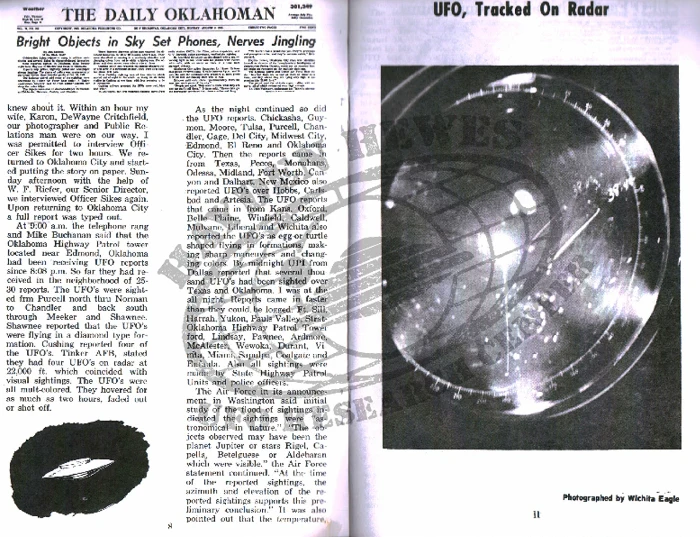
Access and Transparency
IUFOB cannot reasonably ask institutions to make historical information accessible while placing its own historical collection behind unnecessary barriers.
Questions surrounding UFOs, UAP, and anomalous phenomena have long involved disputes over what information exists, who controls it, and who is permitted to examine it. The Bureau's role is not to tell visitors what every document proves, but to preserve the source material, organize it responsibly, provide useful context, and allow researchers to examine the record for themselves.
Support the Work
Access to the published archive is free. Donations support the work required to keep it that way. Contributions help digitize additional files, maintain the digital archive, preserve physical material, improve searchable records, and support the continuing research mission of the International UFO Bureau.